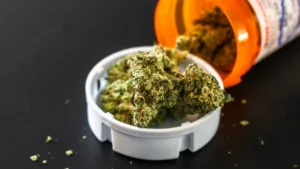
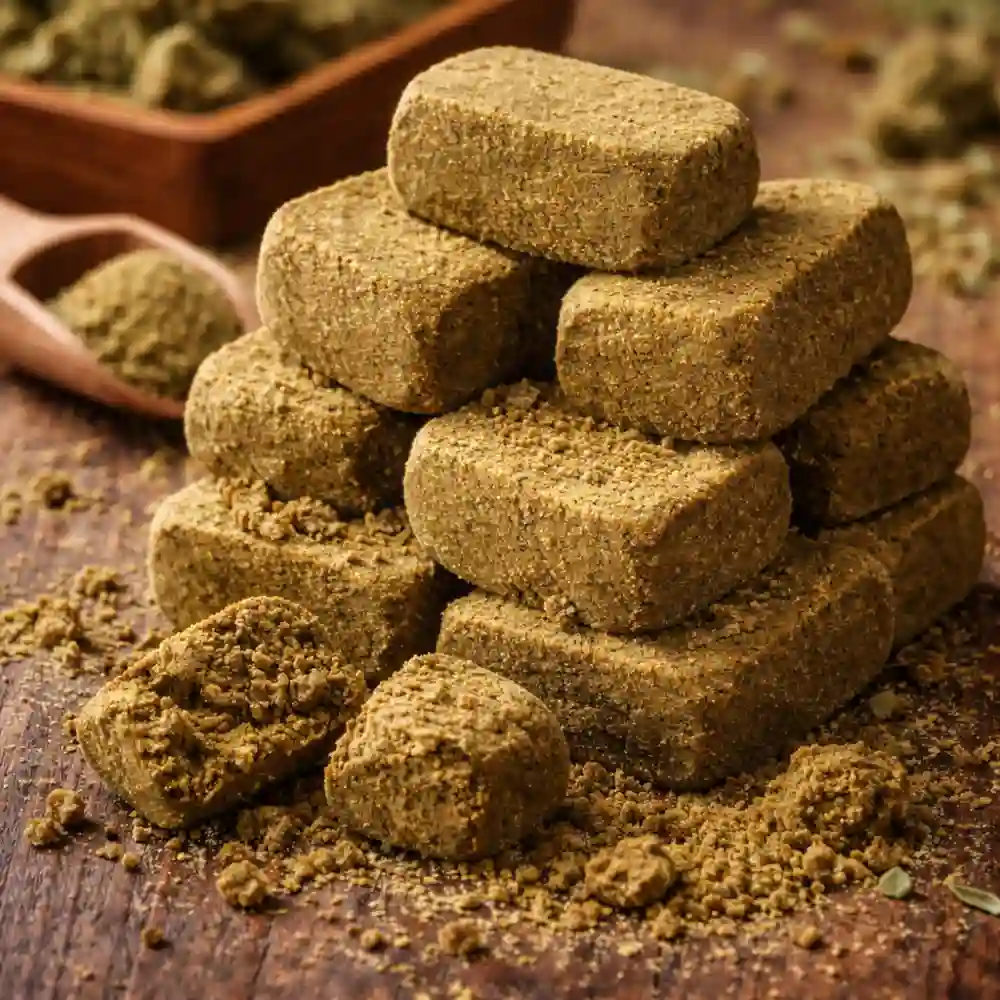
Weed pollen is one of the most fascinating components of cannabis, especially for advanced growers or those looking to preserve genetics or develop new strains. Often confused with hash, weed pollen has unique characteristics that make it particularly valuable in certain contexts—both in cultivation and, in its pressed form, for collection or use.
Biologically, pollen is a fine yellowish powder produced by male cannabis plants. Its main function is reproduction: it fertilizes female flowers to produce seeds. While it might seem irrelevant to casual users, it’s an essential tool for breeding and genetic improvement.
How Is Weed Pollen Produced?
Male weed plants, when mature (usually after 4–5 weeks of flowering), develop small sacs at the branch nodes. Once they open, these sacs release pollen into the air. In nature, the wind carries the pollen to fertilize nearby female plants.
To collect it properly, growers cut the floral clusters just before they open, dry them, sift them through a mesh, and store the pollen carefully. It’s a delicate process since pollen lacks a protective outer layer and degrades easily in humidity.
Difference Between Pollen and Hash
Though both come from weed, they’re not the same. Pollen typically refers to dry sifted trichomes from cannabis flowers. It’s light, golden, aromatic, and collected through dry sifting.
Hash is usually made by pressing (and sometimes heating) trichomes into dense blocks. While hash often contains higher THC levels, pollen tends to produce a milder, smoother effect depending on how it’s extracted.
Uses of Weed Pollen
In growing, weed pollen is crucial for breeding and preserving strains without keeping a mother plant.
As a collectible or for consumption, pressed pollen (also known as dry hash) is favored for its soft texture, rich aroma, and cleaner high compared to traditional hash. It’s a less processed option that many users enjoy.
Is There CBD Pollen?
Yes—CBD pollen is a non-psychoactive version made from hemp flowers rich in cannabidiol and low in THC (under 0.2%). It looks like regular pollen but is used more for therapeutic or collection purposes.
Extracted in the same dry-sifting method, it contains high levels of CBD and is a smooth, legal alternative for enjoying the benefits of weed without the high.
How to Store Weed Pollen Properly
Weed pollen should be stored in a cool, dry, and dark environment. Some growers mix it with a bit of flour to absorb moisture. In airtight containers, it can last for months. Freezing can extend its shelf life to a year or more, but avoid temperature swings.
If frozen, allow it to reach room temperature before use to avoid damaging the quality.
Applying Pollen to Female Plants
To fertilize a female weed plant, the best time is between days 14 and 21 of the flowering phase. Apply the pollen to the white stigmas of the buds. Do this in a closed space to prevent unwanted pollination.
What Effects Does Weed Pollen Have?
Pressed weed pollen or dry hash can deliver strong effects, depending on THC or CBD content. High-THC pollen may cause deep relaxation, euphoria, time distortion, or hunger. Users often report a smoother, more refined high compared to smoking buds, as pollen contains fewer plant materials and more trichomes.
When vaporized, effects can hit faster. CBD pollen won’t get you high, but may ease stress, lift mood, and relieve discomfort. Since pollen is concentrated, effects may last longer and hit harder—start small if you’re new to it.
How Long Does Weed Pollen Last?
Weed pollen can stay potent and fertile for varying periods, depending on storage. Fresh pollen is viable for 2–3 days at room temperature. Dried and sealed, it may last weeks. Frozen properly, it can last a year or more.
Pressed pollen for smoking keeps for months if stored in a dry, dark, cool place. Exposure to heat or moisture reduces quality. Proper storage ensures a potent experience.
Is Smoking Weed Healthier?
Smoking weed is common, but not the healthiest method. Combustion creates tar and toxins that may irritate lungs. Vaporizers offer a cleaner alternative, heating weed without burning it. Edibles and oils skip lung risks entirely but take longer to kick in.
Weed isn’t as harmful as tobacco, but frequent smoking can affect lung function. Mixing with tobacco increases health risks. For a healthier choice, vaporize or use non-smoking products.
What Effects Can Weed Pollen Cause?
Weed pollen with high THC can bring on intense psychoactive effects like euphoria, creativity, laughter, or even drowsiness. It can enhance senses like taste and sound. CBD pollen is calmer, relaxing the body and easing anxiety without a high.
Effects depend on tolerance, quality, and how it’s used (smoked, vaped, eaten). It’s known for a clean and light high, but its strength can surprise. Start with low doses and go slow.
What Happens If You Use Too Much Pollen?
Too much weed pollen, especially if THC-rich, may cause discomfort—paranoia, anxiety, racing heart, dizziness, nausea, or mild hallucinations. Low-tolerance users may also experience a “weed crash”—cold sweats, weakness, and lightheadedness.
CBD pollen has milder side effects, like sleepiness or slight blood pressure drops. Always dose carefully. If overdone, rest, hydrate, and let your body recover naturally.
Difference Between Kief and Weed
The main difference between kief and weed lies in concentration and form. Weed is the whole flower, rich in trichomes, cannabinoids, and terpenes. It’s smoked, vaped, or eaten.
Kief is the collected trichomes from the flower, usually found at the bottom of a grinder. It’s a golden powder with much higher potency. You can smoke it alone or sprinkle it on buds to boost effects.
While weed is the base product, kief is a refined concentrate. It’s more powerful in smaller doses and better suited for experienced users looking to intensify their session without using more weed.